
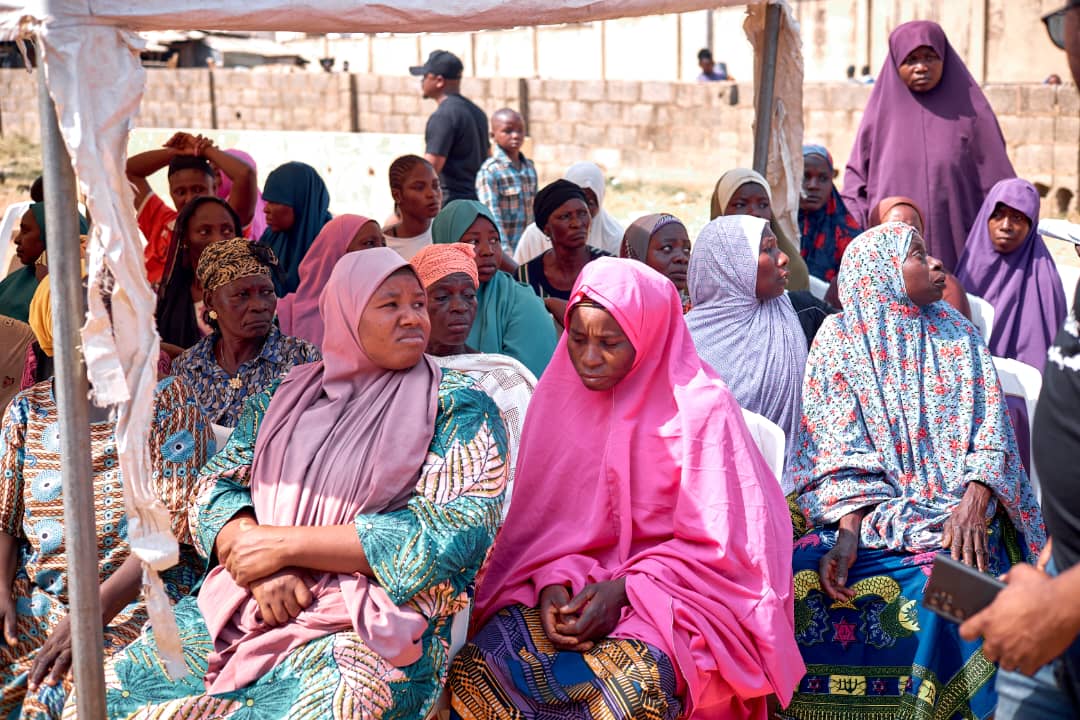
Widows in Nigeria Economic Hardship: Causes & Solutions
Widows in Nigeria economic hardship is not a rare or isolated problem — it is a predictable outcome of how property, custom, and social protection systems work against women the moment they lose a husband. Across the country, an estimated 15 million widows carry this burden, and for most of them, grief is only the beginning. What follows is often a fight to keep a home, an income, and a place in the community they’ve always belonged to.
The Roots of Widows in Nigeria Economic Hardship: Property and Inheritance Loss
In many parts of Nigeria, a husband’s death doesn’t just end a marriage — it can end a widow’s access to everything the marriage built. Under customary law in various regions, a widow may have no automatic right to her late husband’s land, house, or savings. Instead, property often passes to his male relatives, sometimes leaving the widow and her children with nothing but the house they can no longer legally claim.
Research backs this up. A study of widows in Ibadan found financial hardship was their single most common problem, reported by nearly seven in ten women, ahead of loneliness, poor housing, or strained in-law relationships. Academic research on widowhood and poverty in Nigeria has similarly found that losing a spouse is one of the clearest triggers pushing a woman from stability into poverty — even in a country where women generally have lower poverty rates than men.
Being childless, or having no sons, makes the risk worse. Several studies point to this as a specific factor that increases the likelihood a widow will be disinherited entirely, since custom in many communities ties property rights to male lineage rather than to the widow herself.
Beyond Property: How Widowhood in Nigeria Deepens Economic Hardship
Economic hardship rarely arrives alone. Widows in many Nigerian communities are still expected to undergo mourning rites that restrict their movement and ability to work — practices that can include prolonged seclusion, dress restrictions, or other customs tied to specific ethnic traditions. Some are pressured into being “inherited” by a late husband’s relative, a practice that strips a woman of the right to decide her own future.
Layered on top of asset loss and restrictive customs is the reality that many widows had structured their working lives around a husband’s income. When that income disappears, so does the household’s main financial buffer — and there is frequently no pension, no widow’s benefit, and no formal safety net to catch the fall. The result, as global data from UN Women shows, is that nearly one in ten of the world’s widows lives in extreme poverty, with sub-Saharan Africa among the hardest-hit regions.
The emotional toll compounds the financial one. Widows describe not just losing income but losing standing — facing suspicion, stigma, and in some cases accusations tied to their husband’s death, which can isolate them from the very community networks that might otherwise have helped them recover.
Legal Protections for Widows in Nigeria: Slow but Real Progress
There is some ground for hope. Widows married under Nigeria’s statutory Marriage Act generally have stronger, clearer inheritance rights than those relying solely on customary law, and Nigerian courts have increasingly pushed back against customs that strip widows of property outright, recognizing a wife’s contribution to a marital estate even without a will. Advocacy groups continue to call for a dedicated law to close the remaining gaps and give widows consistent legal protection regardless of which part of the country they live in.
But legal reform is slow, and it does little for a widow who needs to feed her children this month. That’s where direct, practical support matters most.
Solving Widows in Nigeria Economic Hardship: What Can Be Done Today
Fixing the legal framework matters, but widows in Nigeria need support that works within their current reality, not just future reform. That support tends to fall into a few concrete categories:
- Immediate relief — food items, household essentials, and cash support that bridge the gap right after a husband’s death, when a widow’s income and safety net are most disrupted.
- Economic empowerment — skills training, small grants, or startup capital that let widows rebuild an independent income rather than depend on relatives who may already be withholding what’s rightfully theirs.
- Community and advocacy support — connecting widows to others navigating the same challenges, and raising awareness so harmful customs lose social acceptance over time.
- Legal awareness — helping widows understand what they’re actually entitled to under Nigerian law, since many women don’t contest disinheritance simply because they don’t know they can.
This is the gap the Catherine Adeh Foundation works to close. Through initiatives like the Widows Outreach & Community Support Initiative, CAF provides food and essential items to widows facing hardship, while working toward longer-term empowerment support that helps widows rebuild financial independence rather than relying on one-time relief alone.
How You Can Help Widows in Nigeria Overcome Economic Hardship
Every widow supported through a CAF outreach is a woman who, for at least one season, doesn’t have to choose between rent and food. But the need is ongoing, and one-time relief only goes so far against a problem this structural.
You can help extend that support by donating to CAF’s Widows Outreach Initiative, volunteering your time for the next outreach, or partnering with the foundation to fund longer-term empowerment programs for widows in the communities CAF serves.